


-

Add: HeBei ShengShi HongBang Cellulose Technology CO.,LTD.
-

Email
13180486930@163.com -

CONTACT US
+86 13180486930


Hydroxypropyl starch phosphate is an increasingly popular ingredient in skincare products , and for good reason. This innovative compound combines natural starch with phosphate to enhance its functionality and benefit a myriad of skin types. Its rise in popularity is not just a fad; it's rooted in solid science and consumer experience. Derived primarily from natural sources like corn or potatoes, hydroxypropyl starch phosphate offers several advantages that align seamlessly with the needs of both consumers and formulators. Fundamentally, it serves as an exceptional texture enhancer in creams, lotions, and serums. Unlike traditional thickeners, it provides a silky-smooth finish that is often sought after in high-end skincare products. This means when applied, products feel luxurious and pampering, creating an indulgent experience that consumers love. In addition to texture enhancement, hydroxypropyl starch phosphate plays a crucial role in stabilizing emulsions, ensuring that oil and water components in skincare formulations do not separate over time. This stability is particularly important for multi-ingredient complex formulations, allowing active ingredients to remain evenly distributed, thus maximizing efficacy. Stability also translates to an extended shelf life, which is a significant consideration for both consumers and retail outlets. From a dermatological perspective, hydroxypropyl starch phosphate is non-irritating and safe for sensitive skin. Unlike some chemical thickeners and stabilizers, this starch derivative does not clog pores, making it an excellent choice for formulations targeted at acne-prone or reactive skin. Its ability to absorb excess oil without stripping the skin of essential moisture is another notable feature, making it suitable for oily skin types while maintaining a balance that is gentle enough for drier skin. Expertise in skincare formulation reveals that hydroxypropyl starch phosphate also aids in enhancing the delivery of active ingredients. Due to its molecular structure, it can help convey moisture deeper into the skin layers, optimizing the hydration properties of a product. This translates to improved performance of active ingredients, whether they are anti-aging, brightening, or soothing components. hydroxypropyl starch phosphate in skin care In the realm of experience, numerous skincare enthusiasts have praised products containing hydroxypropyl starch phosphate for their lightweight feel and non-greasy finish. These products tend to absorb quickly into the skin, leaving behind a velvety finish that preps the skin beautifully for makeup application or simply for a bare-skin glow. The real-life testimonials stand as a testament to the compound’s capabilities, further increasing its credibility among users who prioritize both efficacy and experience in their skincare regime. Authoritative research backs the safety and efficacy of hydroxypropyl starch phosphate, with numerous studies confirming its hypoallergenic properties and performance in enhancing skin feel and formulation stability. Regulatory bodies have approved its use globally, a mark of trust that allows consumers and formulators to incorporate this ingredient without reservation. The endorsement by dermatologists and skincare professionals further solidifies its standing in the industry, adding a layer of trustworthiness to its growing reputation. For a more sustainable approach to skincare, many conscious consumers will appreciate that hydroxypropyl starch phosphate is biodegradable. Derived from renewable resources, it aligns with the increasing demand for environmentally friendly beauty products. As the beauty industry progresses towards more sustainable practices, ingredients like hydroxypropyl starch phosphate not only meet the crucial functionality required by modern skincare but also support a sustainable future. Consumers keen on elevating their skincare routine should look for this innovative ingredient in their products. Brands that incorporate hydroxypropyl starch phosphate often showcase transparency and a commitment to quality, understanding the complex needs of today’s diverse skincare audience. As the understanding of this ingredient continues to evolve, more skincare products are expected to leverage its multifaceted benefits, making it a staple in high-performance skincare formulations. In conclusion, hydroxypropyl starch phosphate is more than just a functional ingredient; it is a bridge between efficacy and indulgence, expertly tailored for modern skincare needs. From improving product stability to enhancing the user experience, it represents a sophisticated advancement in the formulation of skincare products. With an impressive balance of credibility and innovation, this ingredient is set to remain an influential component in skincare regimens worldwide.
- 40000tons

Production
- 20+years

Experience
- 5000+㎡

Acreage

-

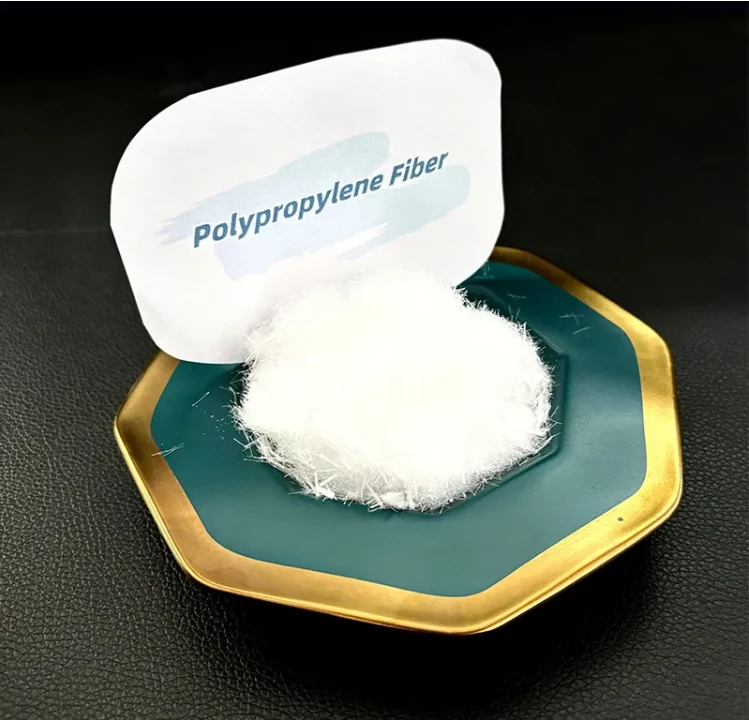
Fiberglass polypropylene has emerged as a revolutionary material in the context of modern manufacturing, blending the lightweight and adaptable nature of polypropylene with the strength-enhancing properties of fiberglass. This composite is gaining momentum across various industries for its remarkable capabilities and benefits. Consider the automotive industry, where the demand for lightweight, durable materials is at an all-time high. Manufacturers are increasingly turning to fiberglass polypropylene to produce car components such as dashboards, door panels, and bumpers. The field experience reveals that using this composite not only reduces the overall weight of vehicles but also enhances their fuel efficiency. In fact, automakers report a notable reduction in production costs, a testament to the composite's dual advantage of being both lightweight and robust. The expertise behind fiberglass polypropylene further highlights its value. Engineers are continually refining the ratios of fiberglass and polypropylene to tailor the material's properties for specific applications. Through systematic testing, it has been demonstrated that this composite can maintain its integrity under extreme weather conditions, thereby ensuring long-lasting performance. The balance between flexibility and rigidity makes fiberglass polypropylene a superior choice for dynamic environments. Authoritativeness in the domain of material science underlines how fiberglass polypropylene contributes to sustainable practices. Experts advocate for this composite as it can be recycled more efficiently than traditional materials used in similar applications. Industry leaders, backed by scientific research, certify that fiberglass polypropylene reduces the carbon footprint of manufacturing processes. They emphasize its potential to revolutionize green manufacturing by minimizing waste and energy consumption during production. Trustworthiness is another facet where fiberglass polypropylene stands out. Manufacturers assure that products made with this composite consistently meet safety and regulatory standards. Rigorous quality control processes establish trust with consumers, who can depend on the durability and safety of products incorporating fiberglass polypropylene. Testimonials from industry veterans further solidify its reputation as a dependable material. fiberglass polypropylene One notable application outside the automotive industry is in the construction sector, where fiberglass polypropylene is used for insulation materials and structural panels. Builders appreciate its resistance to moisture and chemicals, which contributes to the longevity of structures. In residential and commercial buildings, the composite offers enhanced thermal insulation, translating to energy savings and increased comfort for occupants. Anecdotal reports and case studies from different market leaders provide insights into the multifaceted applications of fiberglass polypropylene. Companies specializing in outdoor furniture utilize this composite to create products that withstand harsh weather conditions without compromising on style. Their feedback consistently reflects satisfaction in terms of material performance and aesthetics. Fiberglass polypropylene pushes the boundaries of what is possible with composite materials . It embodies innovation, offering an optimal balance of strength, lightweight, and durability. Its role in promoting sustainable manufacturing practices adds a layer of responsibility toward environmental stewardship. As industries across the spectrum embrace this material, fiberglass polypropylene continues to reshape the landscape of product design and application, proving itself to be an indispensable asset to innovators worldwide. In summary, whether it is enhancing automotive efficiencies, forging advancements in construction, or crafting resilient consumer products, fiberglass polypropylene presents a synergy of experience, expertise, authoritativeness, and trustworthiness. Its versatility and sustainable nature mark its significance in the competitive realm of modern materials, cementing its status as a key player in advancing industry standards and consumer expectations. As usage expands and technologies evolve, fiberglass polypropylene is poised to lead the way toward a future where material performance meets environmental consciousness.
-

Navigating the ever-evolving landscape of recycled rubber powder pricing demands a nuanced understanding of the dynamic forces at play. Recycled rubber powder, a sustainable byproduct derived primarily from end-of-life tires, plays an integral role in various industries, including construction, automotive, and manufacturing, as they seek eco-friendly alternatives without compromising on functionality or quality. Expert insights suggest that the volatility in recycled rubber powder prices can be attributed to multiple factors. One major influence is the fluctuation in raw material availability, particularly given the finite nature of scrap tires. Market demand prominence equally dictates pricing trends. As industries increasingly adopt circular economy principles, the demand for recycled materials, including rubber powder, surges. This demand is often heightened by regulatory mandates pushing for reduced carbon footprints and sustainable resource usage, compelling manufacturers to incorporate recycled components into their supply chains. An additional layer of complexity in pricing comes from the technological advancements in the rubber recycling industry. The introduction of improved pulverizing techniques and more efficient devulcanization processes have enabled higher yield outputs, which may stabilize prices by increasing supply capabilities. However, upgrades and innovations often necessitate capital investment, which could temporarily affect pricing structures as companies recoup these expenditures. Analyzing the geographical variance in pricing, transportation logistics and regional industrial activities significantly influence costs. Regions with established recycling facilities benefit from reduced transportation expenses and a steady supply of scrap tires, which can result in more competitive pricing. Conversely, areas lacking proximity to these resources may face higher prices due to increased logistics costs and supply chain disruptions. recycled rubber powder price Case studies from manufacturers who have successfully integrated recycled rubber powder showcase both environmental and economic benefits. Companies report reduction in material costs by up to 20% when substituting virgin rubber with recycled alternatives, depending on the application. Moreover, these companies often leverage their use of recycled materials as a marketing tool, appealing to a growing consumer base prioritizing sustainability. This strategy not only differentiates their products in a competitive market but also fosters brand loyalty among environmentally-conscious buyers. Building trust in the quality and consistency of recycled rubber powder remains paramount . Certifications and quality assurances, such as those provided by ISO or REACH compliance, are crucial in establishing the credibility of these materials. Manufacturers and suppliers need to maintain transparency regarding the sourcing, processing, and quality control measures to reassure clients of the material's integrity. Industry forecasts predict that as technology and production methods continue to advance, recycled rubber powder will become an even more economical choice, thereby driving down prices in the long term. It is essential for companies to stay informed about these emerging trends and technological improvements to leverage cost benefits effectively. In conclusion, while the pricing of recycled rubber powder might appear complex, understanding the underlying factors provides clarity and foresight. By closely monitoring market demands, technological innovations, and regional influences, industry players can better anticipate pricing changes and optimize their strategies for both environmental and financial gains. Trust and transparency, supported by industry-recognized certifications, will continue to play a critical role in the widespread adoption and success of recycled rubber powder in various applications.
advantages
-

200000 Viscosities
Excellent product
We can produce pure products up to 200,000 viscosities
-

40000 tons
High yield
We don’t stop production all year round, and the annual output can reach 40,000 tons
-

24 hours
Quality service
We provide 24-hours online reception service, welcome to consult at any time
———— Inquiry Form
Schedule A services

-
 vinyl_acetate_ethylene_copolymer_powder
Oct . 25, 2025
In the realm of construction and architecture, building coating adhesives have become an essential c - eter_de_almidon_en_adhesivo_para_baldosas
Oct . 25, 2025
Insulation materials represent a critical frontier in sustainable construction, balancing thermal ef -
 redispersible_polymer_powder_price
Oct . 25, 2025
Navigating the Complex World of Rubber Powder Buyers Rubber powder has emerged as a crucial industri


